Lemon Dream: A Handwriting Font That Feels Like a Sunny Day
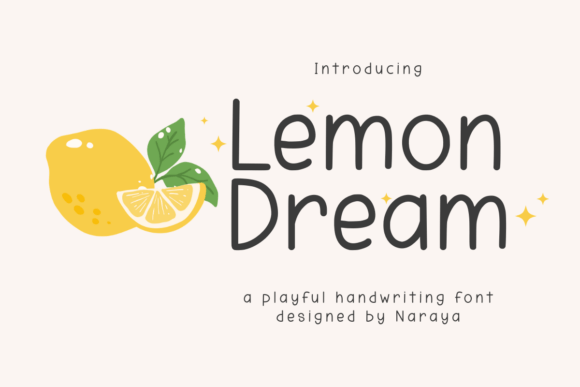
There’s a particular kind of magic in a font that doesn’t just sit on the page but seems to smile back at you. Lemon Dream is precisely that kind of typeface. It’s a playful and aesthetic handwriting font designed to inject a dose of joy and personal warmth into your work. Forget the sterile, impersonal feel of some modern typography; this is a script font with character, featuring clean, bouncy lines and a charming monolinear weight. It radiates a friendly yet contemporary vibe, making it an instant go-to for projects that need to feel approachable and authentic.
The Personality Behind the Lines
At its core, Lemon Dream is a handwritten font that balances whimsy with clarity. Its smooth, consistent strokes—what designers call a monolinear weight—give it a cohesive look that’s easy on the eyes. The slight bounce and unevenness in its letterforms are what give it that handmade, artisanal quality. This isn’t a font trying to mimic historical calligraphy; it’s a creative font that feels fresh, modern, and inherently personal. It’s the typographic equivalent of a handwritten note from a friend, making it perfect for brands and creators who want to establish a direct, emotional connection with their audience.
Where Lemon Dream Truly Shines
This premium font is a versatile workhorse, but its strengths are most pronounced in specific contexts. Its personality makes it a standout for playful branding, especially for small businesses, boutiques, and service providers targeting a younger, design-savvy demographic. Imagine it on a logo for a local bakery, a craft brewery, or a pet grooming service—it immediately sets a tone of warmth and approachability.
Beyond logo design, Lemon Dream is a natural fit for the world of physical products and crafts. Its smooth paths ensure a perfect experience for cutting machine users, which is a huge advantage for entrepreneurs creating custom vinyl stickers, decals, and heat transfers. The font’s legibility and charm translate beautifully onto custom acrylic keychains, tote bags, and mugs. For those in the nursery decor space, it adds a touch of gentle, handmade authenticity to wall art, growth charts, and personalized name signs.
In the digital realm, Lemon Dream is equally at home. It’s an excellent choice for social media graphics, where a personal touch can dramatically increase engagement. Use it for Instagram story highlights, quote cards, or promotional posts to break through the visual noise. Bloggers and content creators will find it invaluable for creative journals and planner layouts, both for personal use and for creating sellable KDP interiors. Its readability at various sizes makes it a strong contender for editorial design in magazines or lookbooks that aim for a casual, conversational tone.
Making It Work: Practical Font Pairing and Usage
While Lemon Dream is a star player, it performs best with a supporting cast. As a display font, it’s designed for impact, not for long paragraphs of body text. A common and effective strategy is to pair it with a clean, simple sans serif font or a classic, understated serif font. For example, pairing Lemon Dream with a typeface like Montserrat or Lato for body copy creates a beautiful contrast—the playful script draws the eye for headlines, while the neutral font ensures easy readability for information.
When evaluating if it’s the right fit for your project, consider your brand identity. Does your brand voice lean towards friendly, optimistic, and creative? Lemon Dream could be a cornerstone of your visual language. However, if your brand is built on ultra-professional, corporate authority, you might reserve it for internal communications or specific campaign elements where a softer touch is needed.
Before committing, always test the font in context. Place it on a mockup of your intended application—a social media post, a product label, a website header. Check the visual hierarchy. Does it guide the viewer’s eye as intended? Review the included styles; many premium fonts like Lemon Dream come with alternates or ligatures that can add even more unique flair to your designs. Finally, ensure you understand the commercial licensing. For crafters and small business owners using it on products for sale, confirming the license covers your intended use is a critical step that protects your business.
A Tool for Connection and Creativity
Ultimately, Lemon Dream is more than just a collection of glyphs; it’s a design asset that can influence how people perceive and interact with your work. Its friendly demeanor can lower barriers, making your brand feel more accessible. In a digital landscape saturated with noise, this kind of authentic, human touch can be the difference between being scrolled past and being remembered. It helps build brand recognition through a consistent, joyful tone across all your packaging design, web design, and print materials.
Whether you’re a marketer crafting an email campaign, a publisher designing a whimsical book cover, or a hobbyist creating personalized gifts, Lemon Dream offers a reliable way to add a layer of personality. It’s a reminder that great design isn’t just about aesthetics; it’s about feeling. And this modern typography choice feels like a bright, encouraging conversation waiting to happen.