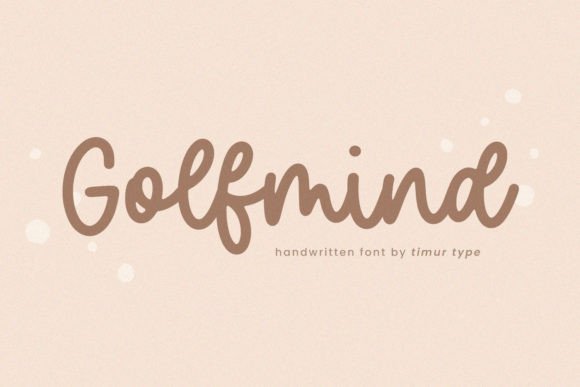
Golfmind: A Handwritten Font for Authentic Branding
When you're building a brand, every visual element tells a story. The typeface you choose for your logo, packaging, or social media posts communicates personality before a single word is read. Golfmind is a handwritten font crafted with that exact intention. It's not just another script font; it's a design asset built to convey warmth, authenticity, and a human touch. As a designer who's worked with countless typefaces, I can tell you that finding a font that balances genuine charm with professional versatility is rare. Golfmind aims to fill that space.
At its core, Golfmind is a premium font family designed for projects where you want to feel approachable and real. The strokes mimic natural handwriting, with slight variations and a relaxed flow that avoid looking overly polished or digital. It carries a modern typography sensibility—clean enough for contemporary layouts but organic enough to feel personal. This isn't the kind of script font that looks like it was generated by an algorithm. Each letter feels considered, with consistent weight and spacing that ensure it remains legible at various sizes. Whether you're using it for a headline on a wedding invitation or a tagline on a product label, Golfmind maintains its character without sacrificing readability.
Where Golfmind Truly Shines
The practical applications for a font like Golfmind are broad, but let's talk about where it delivers the most impact. In packaging design, handwritten fonts instantly communicate craft and care. Imagine a small-batch coffee brand or a handmade candle company using Golfmind on their labels. The font suggests the product inside was made by people, not machines. For entrepreneurs and small business owners, this kind of visual cue builds trust and differentiates products on a crowded shelf.
In branding and logo design, Golfmind works exceptionally well for businesses that want to project a friendly, personal identity. Think boutique studios, wellness brands, independent consultants, or creative agencies. Pairing Golfmind with a clean sans serif font for body text creates a balanced visual hierarchy—the handwritten element draws attention, while the sans serif keeps supporting information easy to read. This kind of font pairing is a staple in modern typography, and Golfmind makes it straightforward.
For digital creators and marketers, the font translates beautifully to social media graphics, blog headers, and email campaigns. It adds personality to quotes, announcements, and promotional content without feeling out of place. I've seen content creators use similar handwritten fonts to make their Instagram stories and Pinterest pins feel more curated and intentional. Golfmind, with its natural flow, is well-suited for this kind of editorial design work where engagement and visual appeal matter.
Choosing and Using Golfmind Effectively
Before integrating any new typeface into your workflow, it's worth evaluating whether it fits the project's tone. Golfmind is a creative font, but it's not a one-size-fits-all solution. It excels in contexts where warmth and personality are assets—think lifestyle brands, personal blogs, event invitations, and artisanal product lines. For corporate reports, legal documents, or highly technical interfaces, a serif font or a structured sans serif font would be more appropriate. The key is matching the font's personality to your audience's expectations.
When you start using Golfmind, test it at the sizes you'll actually need. A handwritten font that looks stunning at 48 points on a poster might lose its charm at 12 points in a paragraph. Check how it renders on both screen and print. Look at the letter spacing and line height in your design software—small adjustments can significantly improve readability. Also, explore the font's full character set. Many premium fonts include alternate letters, ligatures, and stylistic sets that allow for more customized typography. These details can elevate a design from good to distinctive.
Font pairing is another critical consideration. Golfmind pairs best with typefaces that provide contrast without competing. A geometric sans serif font like Montserrat or a humanist sans serif like Open Sans often complements handwritten fonts well. The goal is to let Golfmind handle the expressive, attention-grabbing roles—headlines, logos, pull quotes—while a more neutral typeface manages body copy and longer text blocks. This approach ensures your design remains professional and easy to navigate.
Practical Considerations for Commercial Use
If you're planning to use Golfmind in client work, commercial projects, or products for sale, licensing is non-negotiable. Always review the font's license agreement before purchasing. Understand what it covers—desktop use, web embedding, app integration, and print-on-demand are common categories. A commercial font license protects both you and the font creator, ensuring the typeface is used legally and ethically. For small business owners and freelancers, this is especially important as your brand grows and scales.
Finally, think about consistency. Once you choose Golfmind for your brand identity, use it consistently across all touchpoints. This builds recognition over time. Your packaging, website, social media, and print materials should all feel like they belong to the same visual family. A cohesive type strategy reinforces professionalism and makes your brand more memorable. Golfmind, with its distinct handwritten style, can become a recognizable part of your brand's voice when applied thoughtfully and consistently.
In the end, the right font does more than display words—it shapes perception. Golfmind offers a blend of authenticity and polish that suits a wide range of creative and commercial projects. Whether you're designing a wedding suite, launching a new product line, or crafting social media content, it provides a reliable way to inject personality into your work. The best typography decisions come from understanding your project's needs, testing your options, and choosing assets that align with your vision. Golfmind is a tool worth considering for anyone looking to add a genuine, human touch to their design work.