Beach Retro: Capturing Vintage Summer in Your Designs
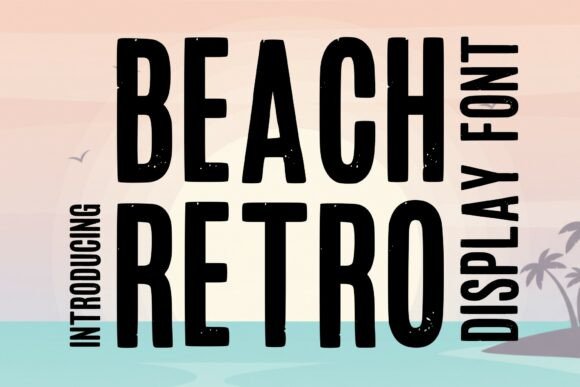
There's a particular feeling you get from old surf posters, faded t-shirt graphics, and sun-bleached signage from decades past. It's a mix of nostalgia, adventure, and effortless cool. The Beach Retro typeface is built to channel that exact energy. This isn't just another display font; it's a premium font with a distinct, weathered soul. Its defining feature is a rough, distressed texture that gives each letterform a tangible, vintage personality. The slightly irregular edges and imperfect shapes avoid looking digitally sterile, instead offering the authentic charm of a well-worn design asset.
The visual style of Beach Retro draws direct inspiration from classic beach and surf culture aesthetics. Think of the bold, rounded lettering on 1960s and 70s movie posters, the confident headlines on retro travel brochures, or the playful typography on vintage amusement park tickets. The font has a relaxed yet commanding presence. It’s friendly and approachable, but its bold weight and textured character ensure it never gets lost in a crowd. This makes it an exceptionally versatile creative font for projects that need to make a statement while maintaining a warm, nostalgic appeal.
Where This Vintage Typeface Truly Shines
Understanding where Beach Retro fits best is key to using it effectively. Its inherent personality makes it a natural fit for projects centered around leisure, nostalgia, and outdoor themes. For logo design, particularly for surf shops, beachside cafes, vintage clothing brands, or breweries, it can establish an instant and powerful brand identity. The textured look translates beautifully to physical applications like packaging design for artisanal goods, labels for craft beverages, or merchandise where a tactile, handcrafted feel is desired.
In the realm of marketing and editorial design, this font excels at grabbing attention. It’s perfect for headline text on posters, event flyers for summer festivals, or the cover of a magazine feature on retro culture. When used in social media graphics, its bold personality helps posts stand out in a fast-scrolling feed, ideal for announcements, quotes, or promotional content. For web design, it’s best used sparingly and strategically—in hero sections, key headings, or call-to-action buttons—to inject personality without overwhelming the reader. Pairing it with a clean, simple sans serif font for body text is a classic and effective strategy.
Making Design Decisions with Beach Retro
Choosing the right font for a project involves more than just liking how it looks. With a display font like Beach Retro, you’re making a decision about mood and perception. The first step is evaluating project fit. Ask yourself: does the core message of this project align with a vintage, tropical, or retro vibe? A financial institution’s annual report? Probably not. A new line of tropical-flavored snacks or a music festival lineup? Perfect.
Next, consider font pairing. Beach Retro’s strong character means it needs a partner that complements, not competes. A timeless pairing is with a neutral serif font or a geometric sans serif font. This contrast creates a clear visual hierarchy, letting Beach Retro own the headlines while the secondary font handles readable body copy. Avoid pairing it with other highly stylized fonts like a busy script font or another textured handwritten font, as this can create visual chaos.
Practical considerations are also crucial. Always test the font at the size it will be used. While its texture adds charm, at very small sizes on low-resolution screens, the distressed details can merge and reduce clarity. For body text, it’s not the right choice—its strength is in headlines and short bursts of impactful text. Finally, review the licensing. If you’re using it for a commercial product—whether that’s a client’s logo, a t-shirt for sale, or a published book—ensure you have the appropriate commercial font license. This protects both you and the font creator, and is a mark of professional practice.
Ultimately, Beach Retro is more than just a typeface; it’s a tool for storytelling. It allows designers, entrepreneurs, and creators to inject a specific, evocative emotion into their work. By using it thoughtfully, respecting its personality, and pairing it wisely, you can leverage this font to create designs that feel authentic, engaging, and memorably retro. It’s a valuable addition to any designer’s toolkit of design assets, especially when a project calls for that unmistakable sun-faded, vintage summer charm.